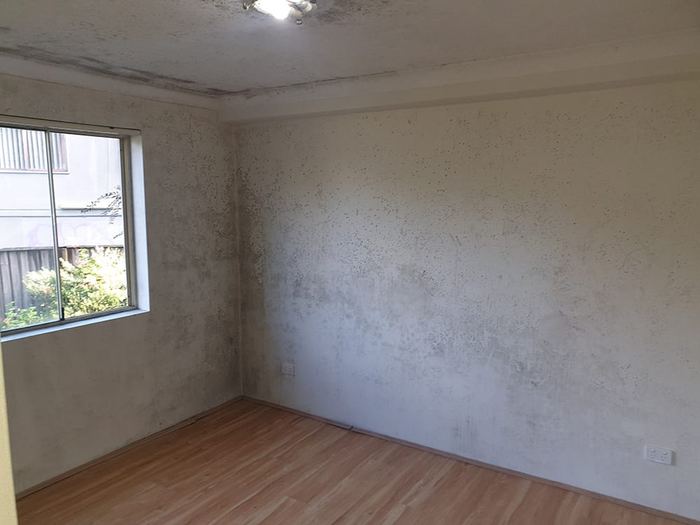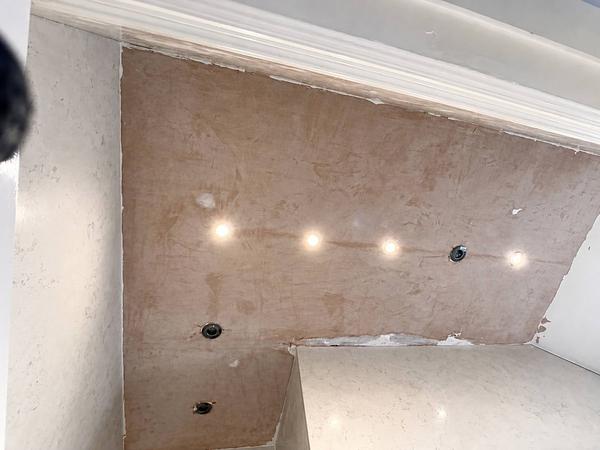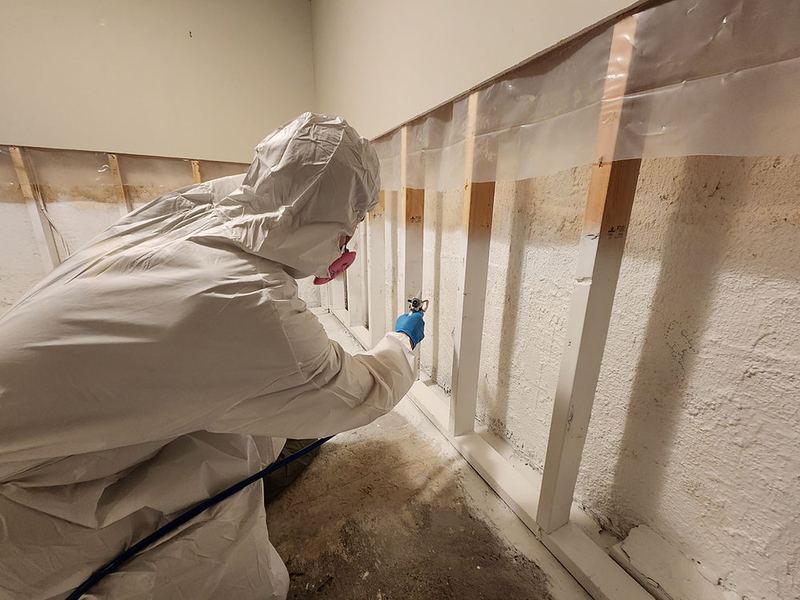
Awaab Ishak was two years old when he died in 2020 from prolonged exposure to mould in his family's social housing flat in Rochdale. His death changed UK housing law. Awaab's Law - introduced as part of the Social Housing (Regulation) Act 2023 and expanded to private rental in 2025 - sets statutory deadlines for landlords to investigate and resolve damp and mould hazards. Get it wrong and you face enforcement action, financial penalties and tenant compensation claims. This guide explains exactly what compliance looks like in 2026.
The short version: what Awaab's Law actually requires
Awaab's Law requires landlords to investigate reported damp and mould hazards within strict timeframes, complete remediation work within a reasonable period, and provide written communication to tenants throughout. The exact deadlines depend on the severity of the hazard and the type of landlord, but the principle is consistent: you cannot ignore a damp report and you cannot indefinitely delay treatment.
If a tenant reports mould, you must respond. If the mould poses a health risk, you must act quickly. If you fail to do either, the tenant can escalate to the council or court, and you face legal and financial consequences that significantly exceed what a professional inspection would have cost.
The compliance timeline at a glance
Here's the standard sequence a compliant landlord follows once a tenant reports damp or mould.
HHSRS: how hazard severity is rated
The Housing Health and Safety Rating System (HHSRS) is the framework councils use to assess damp and mould severity. There are two main categories.
Category 1 hazard
A Category 1 hazard poses a serious and immediate health risk. Severe black mould affecting a child's bedroom, recurring damp causing respiratory illness in a vulnerable tenant, structural water ingress with active mould growth - all classic Category 1 cases. Councils have a statutory duty to take enforcement action on Category 1 hazards. Landlords ignoring these face Improvement Notices, Prohibition Orders, and in extreme cases criminal prosecution.
Category 2 hazard
A Category 2 hazard is a real but less immediate health risk - moderate mould patches, minor recurring condensation, contained damp without active spreading. Councils may take enforcement action on Category 2 hazards but are not required to. Still, ignoring a Category 2 hazard for months risks it escalating to Category 1 as the mould spreads and tenant health declines.
What a tenant can do if you don't comply
Many landlords underestimate the escalation pathways available to a tenant whose damp report has been ignored. Here's what your tenant can do, in roughly the order they typically do it.
- Contact the local council's Environmental Health team. The council will inspect within 7-14 days. If they find a Category 1 hazard, they can issue an Improvement Notice with statutory deadlines that you must comply with - and they can also charge you for the inspection.
- Apply for a Rent Repayment Order. If you receive an Improvement Notice and fail to comply, the tenant can apply to the First-Tier Tribunal to recover up to 12 months of rent paid. For a property at average London rents, that's tens of thousands of pounds.
- Make a disrepair claim. Even without council involvement, tenants can sue for disrepair under the Landlord and Tenant Act 1985. Damages typically include reduction in rent (often 20-50% for the period the property was unfit), compensation for damaged belongings, and legal costs.
- Bring an Awaab's Law claim. Specifically under the new framework, with a higher bar for landlord defence and faster court timelines than traditional disrepair claims.
- Report to the property's letting agent or housing ombudsman. For social housing tenants, complaints to the Housing Ombudsman can result in significant findings against the landlord, public on the ombudsman's website.
A small private landlord ignoring a mould report for six months can easily end up paying: £8,000-£15,000 in disrepair damages, £4,000-£10,000 in rent repayment, £2,000-£5,000 in legal costs, plus the original remediation cost. A professional inspection at day 1 would have cost £0.
Documentation: what to keep on file
The single most important habit for Awaab's Law compliance is documentation. If a case ever escalates, the difference between winning and losing usually comes down to whether you have a paper trail showing prompt, reasonable response - or whether you don't.
For every reported damp issue, keep:
- Original tenant report - email, text screenshot, letter, dated and timestamped where possible
- Your acknowledgement - written response confirming receipt, dated
- Inspection booking confirmation - showing the date the inspection was arranged
- Inspection report - HHSRS-compatible scoring, photographs, root-cause analysis, recommended remediation
- Tenant communication summary - what you told the tenant about findings and plan
- Quote and approval - written quote from the remediation company, agreed and signed
- Treatment certificate - signed and dated, confirming work completed
- Before-and-after photographs - keep them on file for at least 6 years
- Itemised invoice - showing what work was done and at what cost
- Follow-up inspection notes - confirming no recurrence after 30-60 days
Store these in a dedicated folder per property, organised chronologically. Cloud storage with timestamps is ideal - it provides forensic evidence of when documents were created if ever needed.
ZeroMould provides full inspection reports for landlords across all 32 London boroughs - HHSRS scoring, root-cause analysis, treatment certificates and tenant-ready summaries included.
View Landlord ServicesCommon landlord mistakes that breach compliance
Six years of working with London landlords on damp cases has shown us the same compliance failures over and over. These are the mistakes that turn a manageable situation into a tribunal case.
1. Blaming the tenant's "lifestyle"
"They dry their laundry indoors." "They don't open windows." "They cook too much." Even when partially true, lifestyle blame is the worst possible response. It's discriminatory in many cases, it ignores building issues that are your responsibility (ventilation, insulation, extractor fans), and it's the response most likely to provoke a tenant into council escalation. Investigate first, suggest behaviour adjustments later if appropriate, and address structural issues regardless.
2. Sending a generalist handyman to "have a look"
A handyman quote is not an HHSRS inspection. If the case escalates, you'll be asked for documentation showing professional assessment. Council Environmental Health officers will compare your report to professional standards. A scribbled note from a handyman doesn't meet the bar.
3. Painting over visible mould and calling it fixed
This is the most common landlord mistake. Anti-mould paint is fine as a finishing step after substrate-level treatment, but on its own it just hides the problem for a few weeks. When the mould bleeds back through and the tenant complains again, your "fix" becomes evidence of negligence rather than action.
4. Ignoring repeated reports
The first report can sometimes be a misunderstanding. The second report is a pattern. The third report from the same tenant about the same issue is a near-guarantee of council escalation if you don't change your response significantly. Many landlords don't realise this until the council letter arrives.
5. Not documenting tenant lifestyle conversations
If you do have a legitimate concern that tenant behaviour is contributing - say, all extractor fans are blocked or there's no ventilation despite a working MVHR - document the conversation in writing. Provide written advice on humidity management. This isn't to blame the tenant; it's to show you took a balanced view if challenged.
What good compliance actually looks like
A realistic example of a compliant landlord response to a tenant damp report in a London rental.
Day 1: Tenant emails to report black patches appearing on the bedroom wall behind the wardrobe. Landlord acknowledges within 24 hours in writing, apologises for the inconvenience, and confirms a professional inspection will be arranged.
Day 5: ZeroMould (or equivalent) attends, identifies Cladosporium (not Stachybotrys), confirms cold-bridging at the external wall behind the wardrobe as the moisture source. Provides full HHSRS-compatible report rating the hazard Category 2, recommends substrate treatment plus improved ventilation. Sends report to landlord.
Day 7: Landlord forwards inspection summary to tenant, explains findings in plain language, confirms remediation work scheduled for day 14. Acknowledges any tenant inconvenience.
Day 14: Remediation completed in one day. Treatment certificate, before-and-after photos, written aftercare plan provided.
Day 21: Landlord confirms with tenant that work is complete and asks for any feedback. Reassures tenant about follow-up inspection in 60 days.
Day 90: Follow-up inspection confirms no return. Documentation closed and filed.
Total cost: £450-£750 for residential mould treatment, plus around £150 in landlord time across phone calls, emails and inspection scheduling. Compare with: £15,000+ in disrepair damages, council enforcement, lost rent and legal costs from a non-compliant case.
- Awaab's Law applies to all UK landlords - social housing since 2023, private rental since 2025
- The standard timeline: investigate within 14 days, communicate findings, remediate without unreasonable delay
- HHSRS Category 1 hazards trigger statutory council enforcement; Category 2 is a serious warning
- Non-compliance can cost £10,000-£25,000+ in damages, rent repayment, council fees and legal costs
- The single most important habit is documentation: keep written records of every step, every communication, every report
- A professional Awaab's Law-compliant inspection costs a small fraction of what non-compliance costs
Next steps for landlords
If you've had a recent tenant damp report and you're not sure your response has been compliant, the safest move is to book a professional inspection now. ZeroMould attends within 1-2 days for landlord cases across all 32 London boroughs, provides full HHSRS-compatible documentation, and can complete remediation typically within a week of first contact.
For ongoing portfolio management, consider establishing a relationship with a specialist remediation company before incidents occur. We provide retainer-based services to several London letting agents and small property portfolios - rapid response, fixed pricing, and full documentation as standard. Learn more about our landlord services or call 07458 164 589 to discuss specific cases.