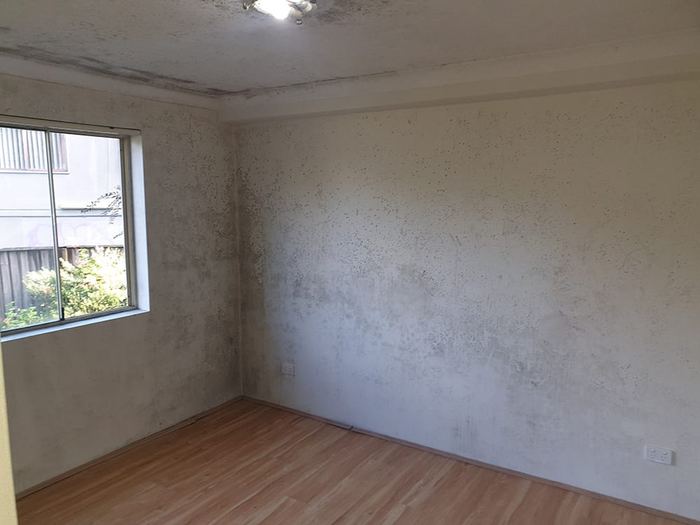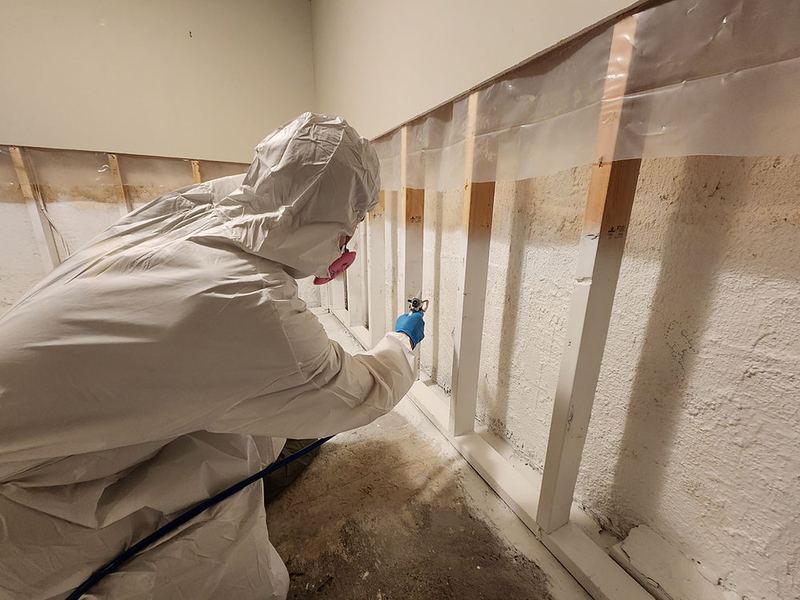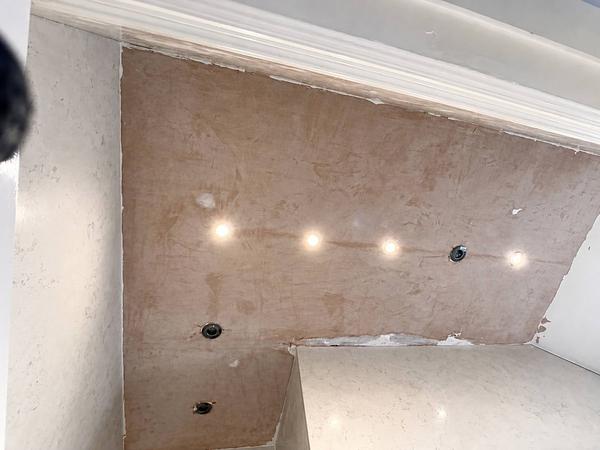
Most people who call us about recurring mould have already done what feels like the obvious thing - wiped it, bleached it, painted over it, sometimes done all three twice. The mould keeps coming back. Then they assume they need a stronger chemical, or a better paint. But that's almost never the answer. If mould returns after surface treatment, there's a moisture source somewhere you haven't found. Here are the seven most common hidden culprits in London homes.
The principle: mould isn't the problem, moisture is
Mould is just the visible symptom of a moisture problem. Spores are constantly floating through the air of every home - they're essentially free-floating particles in normal indoor air. When those spores land on a surface that stays wet (above 60% relative humidity for more than 48 hours), they germinate and a colony develops. Kill the visible colony with bleach and the spores in the air just land again. Within weeks, you have the same patch growing back.
Permanently solving recurring mould requires identifying and eliminating why that surface is wet. Surface treatment without source diagnosis is futile. The frustrating thing is that the source is often invisible from inside the room, which is why DIY troubleshooting usually fails. Here are the seven sources we most commonly find behind recurring mould cases in London.
A bathroom extractor fan that doesn't actually extract
The most common cause of recurring bathroom mould in London. The fan turns on, makes the right noise, and to all appearances seems to work. But it isn't actually pulling air outside - it's circulating air within the ceiling void or, worse, blowing it into the loft. We've found this in roughly half of all London bathroom mould callbacks.
Older properties often had extractor fans installed during a 1990s or 2000s renovation, with ducting that was either never connected properly, has since become disconnected, or vents into the loft space. The fan removes moist air from the bathroom and dumps it directly into your loft - where it then condenses on the cold roof structure, eventually finding its way back down through ceiling cracks.
A slow plumbing leak inside the wall cavity
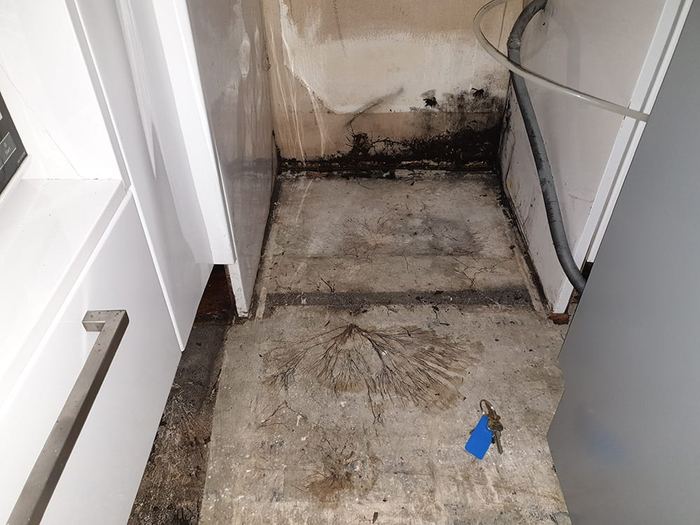
Small drip-rate leaks from copper or plastic pipes inside walls are notorious for causing recurring mould patches that defeat every surface treatment. The leak is too small to cause obvious damp staining, but enough to keep the surrounding plaster permanently moist. Common locations: behind kitchen sinks, behind toilet cisterns, behind washing machines, and inside walls containing central heating pipes.
The mould appears on the surface of the wall while the actual issue is in the cavity behind. You clean the surface; the plaster behind it is still saturated; the mould returns. This is one of the cases where professional moisture mapping (using thermal imaging) is essential - the temperature drop from evaporating moisture shows up clearly on a thermal image even when nothing is visible on the wall surface.
Cold-bridging on a poorly insulated external wall
Especially common in Victorian and Edwardian terraces, mansion blocks, and ex-local-authority concrete-frame buildings. Solid 9-inch brick walls and uninsulated cavity walls allow the external cold to "bridge" through to the internal plaster surface. In winter, that internal surface drops below the dew point of the room's air. Moisture from your normal living (breathing, cooking, showering) condenses on the cold wall surface. Mould develops.
Painting and bleaching doesn't fix this because the cause isn't a leak - it's basic physics. Every winter, condensation forms on that cold spot, and mould returns. The two real solutions are either internal insulation (often complicated by listed-property restrictions) or careful management of indoor humidity, plus periodic professional treatment.
A failing roof or roof flashing
One of the hardest sources to diagnose because the mould often appears on a ground-floor ceiling far below the actual leak point. Water travels down through the structure, runs along beams or pipework, and emerges feet away from where it entered. In London's Victorian and Edwardian terraces, slipped roof slates, deteriorating roof felt, and cracked lead flashing around chimneys are extremely common causes.
The mould patch may grow during periods of rainfall and slightly fade during dry spells - a clue that water ingress is involved. Roof inspections aren't part of mould remediation, but if our moisture mapping suggests roof origin, we'll recommend a roofer's inspection as the next step before any treatment.
Failed silicone or grout in the bathroom letting water behind tiles
Bathroom mould that returns specifically along tile edges, around the bath, or in the shower tray corners almost always indicates failed sealing. The silicone or grout looks fine from a distance but has hairline cracks invisible to the naked eye. Every shower drives water behind the tile substrate, where it soaks into the plaster, supporting mould growth on the back of the tile that emerges through the grout lines.
Surface treatment of grout can't reach the substrate behind. The real fix is removing degraded silicone, treating the substrate with antimicrobial agents, and resealing with sanitary-grade silicone. Our bathroom mould service includes this as standard - we don't quote tile and grout work without including silicone replacement.
Damaged or missing damp-proof course causing rising damp
Less common than the other causes but present in older London properties where the damp-proof course (DPC) has either degraded, been bridged by raised ground levels outside, or never existed at all. Moisture is drawn up through the brickwork by capillary action, creating a band of damp at the base of internal walls that can rise to 1-1.5 metres above the floor over time.
Mould caused by rising damp tends to appear close to the floor in a roughly horizontal band, often with visible salt deposits (tide marks) on the wall. This isn't a mould treatment job alone - it requires DPC repair or replacement, typically by a specialist damp-proofing contractor. We'll identify and document the issue, then refer you to a trusted DPC specialist.
Inadequate ventilation in modern airtight flats
Ironically, the most modern London flats can have the worst mould problems. Post-2010 new-builds and refurbishments often have excellent airtightness for energy efficiency - but if the mechanical ventilation system (MVHR or extractor system) is underspecified, blocked, or has failed without anyone noticing, the humidity from daily living has nowhere to escape. Showers, cooking, and breathing fill the apartment with moisture that condenses on every relatively cold surface.
This is particularly common in Canary Wharf, Stratford, Vauxhall and other dense new-build areas. Many residents don't even know they have a mechanical ventilation system, let alone how to service its filters. A blocked MVHR filter or failed extractor fan in an airtight flat is a guaranteed mould factory.
ZeroMould inspections include moisture mapping with thermal imaging to find sources you can't see from inside. No obligation, across all 32 London boroughs.
Request an InspectionHow professional inspection finds what DIY can't
The reason recurring mould defeats DIY troubleshooting is that you can't see most of these causes from inside the affected room. They're hidden in wall cavities, in lofts, behind tiles, inside ventilation ducting. To find them, you need equipment and experience.
A professional mould inspection typically includes:
- Thermal imaging - showing temperature differences across walls and ceilings, which reveal hidden moisture (evaporating water cools the surface noticeably).
- Pin and pinless moisture meters - measuring actual moisture content of plaster, wood and brick, at multiple depths.
- Humidity sensors - mapping ambient humidity in different rooms and at different times of day.
- Airflow measurement - checking whether extractor fans and MVHR systems are actually moving the air they're supposed to.
- Visual roof and loft inspection - identifying obvious water ingress points from above.
- Endoscope inspection of cavities where suspect leaks might be hidden inside walls.
Combined, these tools identify the root cause in the vast majority of recurring mould cases. Only with the source identified can treatment actually last.
The right order: source first, treatment second
Once the moisture source is identified, treatment becomes straightforward. Without source identification, treatment is futile. Here's the order to follow for any recurring mould situation.
- Professional inspection to identify the moisture source - standard practice with a reputable remediation company.
- Fix the source - whether that's a roofer, plumber, ventilation specialist or insulation contractor, this step happens before any chemical treatment.
- Substrate-level antimicrobial treatment of the affected mould - killing it at the root, not just the surface.
- Aftercare plan - written guidance on humidity management, ventilation habits, and warning signs to watch for.
- Follow-up inspection at 30-60 days to verify no return.
Skipping step 1 or step 2 is why most recurring mould cases keep recurring. Every honest inspection company will tell you the same thing: finding the source is more important than the treatment itself.
- Mould keeps coming back because the moisture source hasn't been fixed - the mould is a symptom, not the disease
- The seven most common hidden sources in London: failing extractor fans, hidden plumbing leaks, cold-bridging walls, failing roof, failed silicone/grout, damaged DPC, inadequate ventilation in modern flats
- You usually can't find these from inside the affected room - they require thermal imaging, moisture meters and trained inspection
- Surface treatment without source diagnosis is futile and will fail within weeks
- The correct order is: inspection, source repair, substrate treatment, aftercare, follow-up - in that order
Next steps
If you've experienced two or more rounds of recurring mould in the same location, the next step isn't more bleach or stronger paint. The next step is professional inspection to find what's making that surface wet. ZeroMould provides inspections across all 32 London boroughs - we identify the source, give you a written report, and quote both for the mould remediation and (where relevant) refer you to trusted specialists for any structural work needed.
Call 07458 164 589 or use our contact page to arrange an inspection. Same-day appointments usually available across London.